Three questions for Christian Seiler
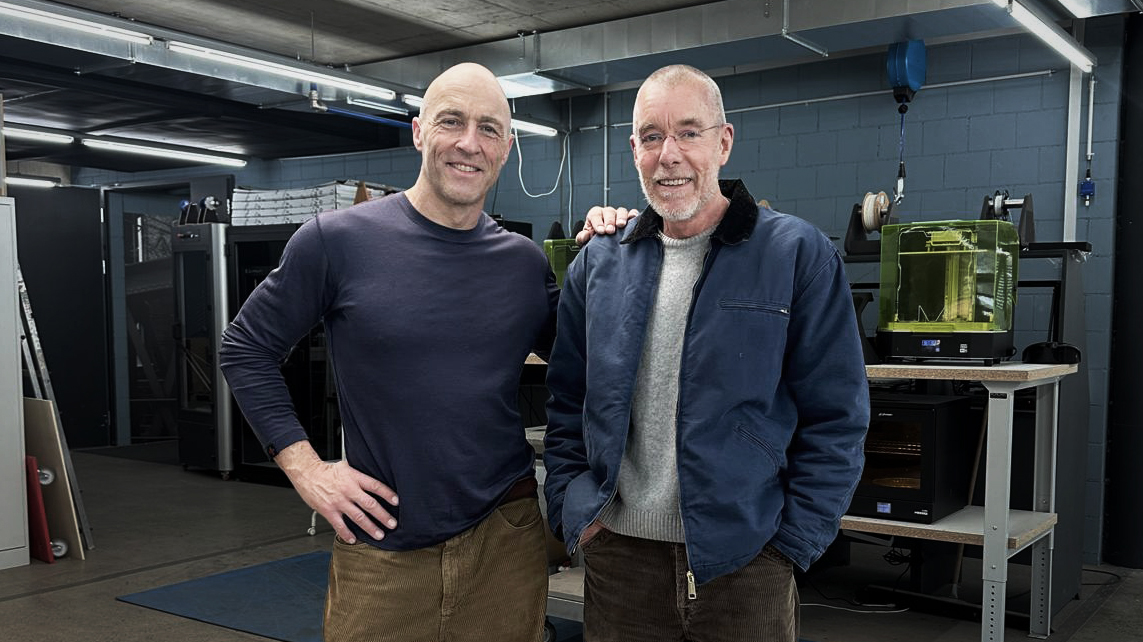
A conversation between zai's Benedikt and zai ski enthusiast Christian Seiler

What does being in the mountains mean to you?
A lot. I've been going to the mountains since I was 12. I grew up in Chur and the Engadin. I was in the IO and in the SAC. We went to the mountains in winter and summer, in the Engadin, in Bergell, in the Rätikon ranges, and wherever there was snow, ice, and rocks. I met many of my friends in the mountains.
I like being alone in the mountains. Especially when I'm planning a solo tour. Regardless of the level, it's essential to have a detailed plan. For me, that's one of the appeals of mountain tours.
Alone in the mountains – quite selfish, you might say. A little, yes, but occasionally I also go with my family, and when I'm out with others, I want to have an idea of where we're going. Minimizing the risks of a tour is even more important than when you're out alone.
Last winter, I went on three dozen ski tours. They were often the same ones, and yet they were different every time: the weather was nicer than expected, the gusts of wind were stronger and thus the “chill factor” was more pronounced than forecast, the snow drifts were more dangerous than planned, and then there was the unprepared snow itself, always good for countless surprises. Recently, I skied down a rather steep slope on the Gwächtenhorn in the Susten area. Suddenly, there were icy longitudinal gullies (two weeks earlier, there had been powder snow), and I had to put on my crampons and climb down backwards. That's part of it. The necessary time margin and energy reserve must be incorporated into the plan for a mountain tour.
Sometimes I go up and turn back if it's not right. Or I climb up and simply explore an area that's new to me. I've also turned back because I ran out of energy from wading through deep snow on the long ridge before the summit of Piz Margna. The next day, it was much easier in my trampled tracks. But the planned descent from the summit through the north couloir didn't happen because of avalanche danger. What appeals to me is approaching the mountains, preparing myself for something: is it possible? Is it not possible? Weighing up the options and turning back can be the main focus.
What does zai give you?
I am impressed by the quality and material of the skis. As an old-timer in my seventies who has been ski touring since the age of twelve, I know the difference between “blue edge” wooden skis with cable bindings and today's skis, which can be easily “pushed” up the mountain and are even easier to ski down. They often still have a wood or granite core and are pre-stressed in such a way that skiing on broken crust is a pleasure.
With your new ski, the zai Summit, almost everything is just right. Except that the surface is a little susceptible to dirt. Weight is always an issue, too. A light ski is great for climbing, but I don't like to use an ultra-light ski like the ones my son uses. I like it when skis have a certain weight; on descents that are not entirely harmless, the equipment has to hold up.
What is your next tour?
I have never been to the Dufourspitze. It is on my agenda for this winter/spring. Since falling into a crevasse on the Morteratsch Glacier when I was 17, I am well aware that there are also crevasses on the Monte Rosa Glacier.
And then there is the Susten area, which I mentioned earlier. I will climb the Gwächterhorn again. There are two steep flanks, both facing northeast, one steeper than the other. Falling on the flatter one would be less serious. The ascent is different from the descent route. Ideally, you should ascend where you descend (as drummed into us in the SAC's IO). The reverse requires particular caution.
As a cardiologist, I have always practiced keeping the risk very low. That's how it has to be. On skis, I am careful with the goal of coming back alive. However, there is always a residual risk. And when a tour is successful, it is always a moment of happiness.

Visit our SKI collection
zai skis embrace piste, powder, and all-mountain ability. Together theyembody the purest expression of the zai philosophy: quality, innovation, andperformance.
Explore Products